Why everyone seems to be knitting.

Like almost everyone else I know, I have a busy life–sometimes it feels like I never sit down. And I don’t get to visit my local businesses like I mean to. We have the cutest knitting shop in Dripping Springs called “The Sated Sheep”. It’s been open for a year now right next to the UPS store on Mercer and I drive by it all the time. I intended to stop in just to see it, but I haven’t picked up a knitting needle, haven’t even thought about knitting, for at least 15 years. Until January, that is.

 Suddenly I am almost overwhelmed buy the need to knit. I wandered through the shop fondling creamy Angora, fluffy blue Alpaca wool, variegated green silks, and a sense of calm and peace settled into my mind I haven’t felt in at least a year. 

I’m not even a good knitter and I have only the most basic scarf pattern in mind but I bought five skeins in yummy colors and a couple of circular needles in assorted hopeful sizes. As I paid for my goodies I had an enlightening conversation with Allison the shops owner. 

“My business exploded since the election,” she said. “Families are fighting and everyone seems so stressed out. I think people feel the need to do homey, comforting things right now. A client come in yesterday complaining of a recurring bout of PTSD. ‘ Quick!’ My client said, ‘I need to knit a blanket ASAP!’” 

Sometimes this life feels like we’re trying to stand up in a canoe. We fight to stay upright and balanced while the water rushes around us, rocking our boat. On instinct we search for ways to stabilize our emotions. So we seize opportunitiees to sit still for a while, to run soft, colorful yarn through our fingers, to make something from nothing. We go back to the things that calmed our grandmothers and grandfathers. We build things from wood, Or bake cookies. Or make bread. Or knit. And somehow, through these small acts, we feel better.

The Sated Sheep posted this fun item on Facebook:
“KNIT ALONG ALERT! Lambkins! Six of us (so far) are going to ROCK knitting Nancy’s Vest beginning on February 24th. We’ll meet from 4-6pm to do the tubular cast on together and then every two weeks to get it DONE because it’s like wearing a soft hug!  
If you’d like to join us, go to: http://www.thesatedsheep.com/schedule and advance the calendar to the 24th to register. There is NO FEE for this, it’s totally about us doing this together and helping each other. 
You will need to come in and get the pattern and select 4 or 5 hanks of Angelic by SundayKnits. You’ll want to start your swatch NOW though so you know if you’ll need a 3, 4, or 5 needle (it’s written for a 4, but people knit differently and gauge is IMPORTANT because this is a garment). Pattern, yarn, WASTE YARN in a CONTRAST color (just a little of it for the cast on), needles, a couple of stitch markers and 7 5/8″ buttons are all you need! Bring a great sense of adventure too! We love you!”
http://www.ravelry.com/patterns/library/nancys-vest-2

pinkchronicity.com

Photo from: https://www.theodysseyonline.com/why-like-knit

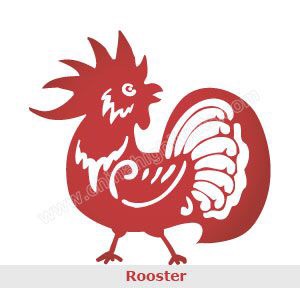
Hello Rooster year

So long 2016! So many of us are happy to see it go. But you may not know the Chinese New Year began at the end of December, so it’s in full swing this month. Chinese Astrology scholars called last year ‘The Year of the Monkey’, and I think the wacky antics of last year wore us all out.  The Chinese Zodiac is based on a twelve-year cycle and each year in the cycle relates to a different animal sign: Rat, Ox, Tiger, Rabbit (or Cat), Dragon, Snake, Horse, Sheep (or Goat), Monkey, Rooster, Dog and Pig, in that order. Each animal sign imparts a different quality to the year, so the year you were born gave its unique quality to you. Ask any teacher—each school year has a different quality. 

Monkey years are historically witty, busy, and full of shocks and surprises, and no one can argue 2016 was a year of shocks and surprises. 2017 is the year of the Fire Rooster and, sorry, it might be as challenging as 2016. But in a different way. The Year of the Rooster tolerates no middle ground and no risky ventures. Be brave and practical and stick to proven paths, techniques and methods. Loyalty, commitment, hard work, family values, and polished appearances are some positive Rooster characteristics. But Roosters are also scrappers. They’re territorial and never back down from a fight, so be immaculately clear in your intentions and prepared to fight for what you believe in. Yes, expect a few battles in 2017. 

So just how do we navigate 2017? All Chinese animal signs can utilize Rooster traits. Pay close attention to home and family, encouraging standing up for what you know is right. It isn’t the time, however. To act out in a rebellious, destructive way. If a chance to do the right thing comes your way, grab it and fight for the truth. But don’t go looking for trouble or a cause to fight for if it isn’t actually your cause. Try not to fight for the sake of a fight just because you are in the mood for a battle. Stick close to your “circle of influence” or as Stephen R Covey illustrates in his book ‘Seven Habits of Highly Successful People’, “Things I Can Control”.


For a more successful year, stay in that center circle.

2017 will be the best year for Dragons, Roosters, Oxen, and Snakes. These signs are committed, dedicated to a cause, and traditionally fight for high ideals. They are constant, possess unfailing determination and are the most intellectual signs of the Chinese Zodiac. It’ll be a relatively good year for Tigers and Rats, a mixed year for Pigs, Goats and Monkeys, and a difficult year for Dogs, Rabbits (or cats), and Horses. The Rabbit and the Rooster should try to steer clear of each other or be prepared for some explosive arguments.
Find your Chinese sign and predictions here:

http://www.chinahighlights.com/travelguide/chinese-zodiac/

Death by . . . Pedicure?

Before you soak your feet in one of those big comfy pedicure thrones with the remote controlled back massage, know this: states all around the country are adopting stricter regulations for nail salons, targeting those same whirlpool pedicure footbaths. 

Health officials had to investigate outbreaks of mycobacteria and staph infections in nail salons all over California and two types of rapidly growing mycobacteria were linked to the outbreaks. It’s believed harmful bacteria accumulates in improperly cleaned whirlpool foot baths. Their findings: “We believe that these rapidly growing mycobacterial infections associated with nail salons are underrecognized and may increase in prevalence.” 

A number of women reported infections and open sores that wouldn’t heal following pedicures, and after a death in Texas the mother of the woman who died sued a nail salon claiming an infection from a pedicure contributed to her daughter’s death. 

The Texas Department of Licensing and Regulation requires salons to run those pedicure thrones ten minutes between clients but I’ve been in a busy nail salon on a Saturday and there is no way they followed that rule. And don’t be fooled by those plastic liners. The danger isn in the actual bowl, but the little tubes on the side of each chair holding warm backwash. Only flushing can fix that.

A state senators wife actually died from a particularly resistant strain of flesh-eating bacteria she picked up from a pedicure. Flesh eating bacteria. From a pedicure. 

And don’t get me started in waxing. It. Is. Against. The. Law. For. A. Nail. Salon. To. Perform. A. Waxing. Service. Ever.

To legally wax you must attend cosmetology school and become licensed. Nail tech school never teaches the very specific sanitation and sterilization requirements for waxing so nail salons who wax easily spread bacteria and disease, some powerfully resistant to antibiotics. 

Waxing clients all over the country are fighting oozing open sores on underarms, legs and bikini area. I’m sure the services were cheaper than a traditional salon, but is the risk worth it?

Nail salons will change when we as clients demand it.

Here’s what you can do:

1. Be the first client first thing in the morning.

2. Insist on seeing a license.

3. Insist on seeing sterilization procedures.

4. Get dry pedicures.

5. Do not use a nail salon’s waxing services.

6. If the salon doesn’t feel clean, leave.

7.  Give your pedicure business to those salons making the extra effort towards sanitation, especially those using bowls instead of thrones. 

So, the last time I got a pedicure I looked around as young man sat down at my feet. “”Do you have a license?” I asked him. He looked to his boss, confused. You could have heard a pin drop in that salon. His boss actually asked me why I wanted it. “Because, I don’t want anyone working on me who isn’t licensed.” There, I said it out loud.

They both looked confused, but after a minute the manager shuffled through a stack of papers on her desk and brought me the young man’s license, so I knew he was legal. 

I sat at that big chair and placed my feet on the ledge of the bowl; no way would I risk putting my feet in that water. After about five minutes I heard the voice of another client in the background asking her technition, “Are these implements sterilized?”

Sometimes it just takes one brave soul to speak out and ask questions to give everyone else the courage of their voice. 

~ Deborah 

What if you do an amazing job with your job?

What if you do an amazing job with your job?

What if you try really, really hard to do the best you possibly can with the job you already have? What do you think might happen? So many times a client tells me, “I’m not creative” and it breaks my heart. Creativity gets a bad rap, assumed to be the exclusive domain of painters and writers and designers and great cooks. We compare our mundane, linear-driven days to other people’s stellar artistic accomplishments and the gulf between us seems too wide to cross, even intellectually. You think what you do daily—selling houses or teaching fifth graders or answering phones isn’t creative. But in her book ‘Big Magic’, Elizabeth Gilbert she tells us, “You can measure your worth by your dedication to your path, not by your successes or failures—A creative life is an amplified life. It’s a bigger life, a happier life, an expanded life, and a hell of a lot more interesting life. Living in this manner—continually and stubbornly bringing forth the jewels that are hidden within you—is a fine art, in and of itself.” 

The book Big Magic is about her thoughts on creativity—what it is, how it happens, and what feeds it. She’s a writer but I think this advice applies to anybody. My mother was a canning genius, expressing her creativity in rows and rows of jewel-like jelly jars. She had five kids and virtually no money, but she could somehow find a laden fruit tree with an owner willing to give the fruit away. My mother stocked our station wagon with folded brown paper shopping bags. If the opportunity for creativity presented itself, she was ready for it. 

So, when the opportunity for creatively living your life presents itself, are you prepared? What if you grab hold of the life you have, right now, this minute, and make the decision to have a go at it in the best, most soul-driven, most creative way possible? I ask you again, what do you think might happen?

Read more at pinkchronicity.com
Pink West

511 Old Fitzhugh Rd

Dripping Springs, Texas

78620

512.447.2888

Mr. Manescalco’s Cactus Farm

Here is a sweet short story I wrote in honor of my mother, the real artist in the family.
Mr. Manescalco’s Cactus Ranch
Now, the world she seemed to live in was a white Rambler station wagon with odd assortment of children in the back. Though these were her children, this current reality bore no resemblance to the world she envisioned when Frank begged her to run away with him. She didn’t elope of course and her Sicilian family, second-generation, thanked The Virgin Mary for that small social reprieve.
The traditional ceremony was held and blessed in the local church–perfectly respectable–but it was a slap-dash wedding so most guests assumed she must be pregnant. If not, why would Collette rush into marriage with that bad boy from the wrong end of Azusa six weeks after meeting him? Because he was Frank with the coal black hair, slicked high like Elvis and she was madly in love, that’s why. He was all she could think about during life drawing class, and the family had no money to send a girl to college. She was determined to stay a virgin until her wedding night, but that simple goal increased in difficulty as they grappled in the back seat of his windowless deuce coupe. Marrying him fast was the only option acceptable to her traditional Italian mother so she grabbed it–so much for art school.
Collette ignored her mother’s whispered warnings as she stitched and stitched the hem of her wedding dress long into that last single night, the eve of her wedding. She barely finished the last stitch before her head dropped, exhausted, into the pile of creamy silk. One week before her first year anniversary, Sandra was born. Jeanette arrived a week before Sandra’s first birthday, living proof that it is absolutely possible to get pregnant while nursing a baby. Collette and Frank had three more children in five more years–another girl next, then two boys. Frank heard the news of his first son’s birth from a phone in a bar down the street from the hospital, a beer in his hand. To say he was surprised was an understatement–he was expecting another girl. During the birth of his second son Frank was nowhere to be found.

She felt her car seat jolt as her two boys wrestled and yelled in the back seat behind her. She’d learned the hard way separating the was the only way to get them to stop. She pulled the Rambler to a stop and yanked three-year-old Sam to the far back of the station wagon and station wagon resumed it’s search down another hidden country road. Collette was looking for that elusive but infinitely necessary treasure, a heavily laden and neglected fruit tree. She was convinced she would find it today, she had a feeling about it, and her feelings were seldom wrong. About fruit, anyway. Feeding these five  was her art project now, the most creative thing she did day in and day out, and she was good at it–not that anyone really noticed. So many things conspired to keep her handsome husband out of steady work and out of their bed. To add a little extra money to the household, Collette cleaned sime small offices a couple of evenings a week. She never considered working full time; Frank and the children were her full time job. She was still Italian, after all.

An apple tree sat forlorn at the end of the road, so full of ripe, golden fruit the branches bent and almost touched the brown grass. Here and there she spotted  rotting apples, half eaten by birds and scattered under the massive tree. Perfect, she thought and smiled to herself. A two-story brick house squatted at the end of a dirt lane and as the kids bounced and jostled in the back of the Rambler, Collette held hard to the red steering wheel navigating the driveway ruts until she could park her car directly in front of a broad porch. From the corner of her eye Collette noticed the new Chevy truck resting by a freestanding garage to the left of the house. Good. Someone was home. 
She glanced in the rear view mirror and gave a quick pat to the waves in her hair then climbed out. She held her shoulders straight and took a deep breath. Steady. It was important she not appear needy. She did a slow exhale and and rang the bell. Almost immediately a stout seventy-ish woman with smiling grey eyes opened the door. She wiped her hands on a blue-striped dishtowel as she looked at Colette. 
“Excuse me; I don’t want to bother you,” Collette said. “I happened to be driving by and noticed your apple tree is slightly overburdened with fruit. I was wondering if you would want to sell any of it. My children and I will gladly pick it ourselves.” 
It usually happened this way: The kindly woman looked over at the old station wagon, noticed the windows rolled down, five neat children poking their  heads in and out, curious. Then sbe offered her fruit to Collette free, as much as she and her children could pick. Collette thanked her and promised to bring her a jar of apple jelly when she was finished with the canning. She kept this promise every time, religiously.
She backed the station wagon down to the tree and she and her three girls grabbed the brown paper grocery sacks they kept stashed in the back of their car. With often-practiced machine-like efficiency they made a game of racing to help the litte ones pile the fruit in the sacks and soon the old white Rambler was filled with the sweet scent of apples.
Collette was a food revolutionary of sorts, and she attacked her family’s lack of money with the fervor of a crusader defending a just and righteous cause. She had a knack for hunting down and procuring an almost chaotic collection of fruit and the process became a powerful personal exercise. A canning project was considered successful only if she got the fruit free or if the fruit was unusual in some way, and especially both. She rediscovered antique family recipes, forgotten tricks and techniques, and  incongruous ingredients. She added and removed, stirred and timed.  She was a master of formulation. It was like alchemy.  She could turn  almost any kind of fruit into preserved gold.  She took special, solitary pride in her gift for making jams and jellies out of things most people would consider unusable or inedible. She created quince jellies, guava jellies, loquat preserves, apricot/pineapple jam, spiced apple sauce. She even found a way to make pyracantha berries non-poisonous (something to do with grapefruit juice). 

No fruit was impossible and each recipe she mastered was a secret source of delight. Mason jars of citrine, topaz, garnet, blood red, and coral fruit shimmered symmetrically in crystal rows. They cooled as they rested on clean white cotton towels folded carefully across the window ledge in her tiny kitchen, waiting for the perfect symphony of ‘popping’ sounds to indicate a successful seal. When she heard it, she smiled–all was right in her world. At night, if Collette woke alone in her double bed wondering again where her husband was, she cheerfully got the kids off to school the next morning and canned, abandoning herself to the juice and the steam and the math. Somehow, canning made her feel better. 
Then early one Saturday morning as she retrieved Sandra from a sleepover, Collette took a wrong turn and found herself and the Rambler at the bottom of a valley hiding between the base of two large hills. There, obviously, purposely and precisely planted, were rows and rows and of cactus. The sight was startling enough, in Southern California in 1963, but covering each huge green cactus plant were hundreds, no thousands of red, pear-shaped fruit. Collette felt the breath catch in her throat. Cactus apples. Someone was cultivating cactus apples. 

She had to find out who planted these things, and she had to have some. A woman on a mission and in the throws of an excitement she could never explain, she followed the winding road between the monster cactus plants until the valley unveiled a white plantation style house complete with columns, front porch, and a brick walk. On a wooden sign was painted, in a bold hand of flourished script, “Manesalco’s Cactus Ranch’. Manescalco. Italian. She felt a lurch in her stomach, so she pressed her slender hands together to calm her nerves then straightened her dress. Bricks led her up to broad stone steps and the front entrance. She knocked hard. Sounds shuffled behind the big paneled door then stopped, but it remained solidly closed. Again she knocked and then stood back to look up, searching the second-story windows for signs of life. Suddenly the door opened and out popped a small, round and balding man with the largest mustache Collette had ever seen on a real person. It seemed to have a life of it’s own, separate from the face it lived on and the mouth it surrounded, with the ends curling on both sides like side-ways question marks. It bounced up and down as the round man spoke.
“Hello, I am Aldo Manescalco,” he said with some formality. ‘What brings such a pretty lady to my ranch?”

Collette almost forgot why she was standing on this man’s front porch, she was so enraptured by the bouncing moustache. “Oh, excuse me, Mr. Manescalco. I hate to bother you, but exactly what do you do with these cactus apples? How long have you been here? I’ve never seen anything like this ranch. Oh, I’m sorry, my name is Collette.”

Collette. A French name for an Italian girl. You are Italian, are you not?”
Collette gave her head a vigorous nod.
“Oh so…, you like my cactus apples?” As he spoke, he placed a large, calloused hand on her elbow and guided her as they walked down the brick path out to his farm. She felt as though, at that moment, he had taken control of her destiny as certainly as he had taken control of her arm. 

“Oh, I sell them here, I sell them there. My father began this farm after just arriving to this country from Sicily.”
Collette looked at him, surprised. “My family is from Sicily!”
“Which part?” he asked her as they meandered between the cactus rows.
“Sicily.” She answered and he smiled. “My father, too. I grew up here, though. Inherited the place and the love of cactus apples from him. That was so long ago when there was nothing in this valley but our ranch. The demand for my fruit is less and less these days and I see silly little houses built so close together, crawling over the hills in my direction. One day I fear I will be forced to sell. Poof! No more cactus ranch. As far as your eye can see, all will be silly little houses very close together. “
He stopped between two neat rows and turned to face her. “But why are you here?” She took a deep breath.

“Mr. Manescalco, I make jelly, all kinds from all kinds of fruit, but I have never made cactus apple jelly before. I would love to try my hand at making this jelly. But I have no money to pay you for your fruit. I don’t know what I’m asking for, exactly. I just know I had to stop here.”

The little man looked at her, then shook his head and smiled. “The idiots who work for me have never come up with a decent recipe,” he told her. “If you bring me a good recipe for cactus apple jelly and a few jars for myself, I will give you the fruit. In fact, I will give you fruit as long as you bring me jelly. Do we have a deal, Collette?” Of course they had a deal. She didn’t try to hide her elation. She felt as if she were floating.

She backed her station wagon up to a shed behind the house as Mr. Manascalco pointed and called directions, then loaded six wooden boxes of ripe cactus apples into the back of the Rambler. Sandra couldn’t stop herself from poking at them, getting as close to the stickers with her bare fingers as she dared, laughing. Mr. Manasalco and Marie shook hands face-to-face, eye-to-eye, like co-conspirators making a blood pact, and Marie sped off down the winding road.

The next week after school her children took turns standing on boxes at the kitchen sink with cooking mitts on both hands, peeling prickly skin away from soft, magenta fruit under cold running water. Collette set two huge stainless steel pots on the burners of her gas stove and played mad chemist, experimenting with more sugar, less sugar, lemon juice, no lemon juice, two packages of pectin or one. By Friday four perfect rows of gleaming ruby jars popped in satisfying sequential harmony on the window ledge in her tiny kitchen.

She sat down at her table Saturday morning, opened a jar of cooled jelly, spread some on a piece of white toast and took a bite. Then she grabbed an index card and a pencil and filled it with her final recipe. One by one the sparkling jars were reverently packed into one of the wooden crates. Collette waited until all the kids were safely on the bus to school on Monday morning, set the crate of jelly in the back of her old Rambler and headed off to Mr. Manescalco’s Cactus Ranch, feeling as proud as she had on the day of her wedding.

The station wagon coasted between the orderly rows of cactus to the front porch of the big house, where Marie found the little man and his moustache waiting for her. She raised an eyebrow as she climbed out of the front seat.
“I heard your car,” he said in answer to her silent question. She unhitched the Rambler’s tailgate, carefully pulled the wooden crate from the back, placed it on a low table in front of two ancient rocking chairs and they both sat down. Mr. Manescalco picked a jar from the crate and held it up to the sky, watching the jelly catch the sunlight like a prism and throw it onto the wide, stone steps. He turned the jar in his hand, nodding twice, then set it down on the table and went inside his house. Five long minutes passed. Collette rocked back and forth, trying to stay calm. Soon Mr. Manescalco came out holding an ornate silver spoon in one hand and a box of saltines in the other.

He unscrewed the lid to one of the jars as carefully as if he were opening a casket filled with precious jewels. He lifted the spoon and with great ceremony spread shimmering jelly on two crackers, handing one to her. They toasted each other with the crackers. He inhaled as if he were savoring the aroma of a fine wine, then took a careful bite and held it in his mouth. He chewed slowly, then paused. Finally, “Molto buono! Bellisima! This is the finest cactus apple jelly I have ever eaten!” Collette looked down, embarrassed by the praise, but smiling. “You are truly an artist, Miss Collette, a master of your craft.” Said Mr. Manescalco, patting her hand and reaching for another cracker. “Your husband and children are lucky to have you. I feel honored, also, to be your friend.”
Collette was so pleased she almost flew out of the rocking chair to hug him, but he raised his hand to stop her.
“But I have sad news to share. This morning I signed papers with the people who build the silly houses. They will take my cactus ranch, and in six months there will be no more cactus, no more apples.”
Collette drew in a sharp breath. He continued.
“Would you be willing to make jelly for me from the cactus apples I have left, until the last apple is gone? I will pay you to do this thing for me. Your jelly will be all that I have left from my fathers ranch.” 

Collette and the old man sat in silence and rocked, and considered how quickly things, life, can change. Then as Collette drove back to her tiny house, she thought about making cactus apple jelly for a little Italian man with a crazy moustache. And, each time she brought him jelly, there would be less and less of his farm and she would bear silent witness to it’s slow dismantling. And as she noticed another piece of it gone, another row of green cactus disappearing as if it had never been, and to less and less of her husband in their double bed, to the slow dismantling of her marriage. It was as if the only evidence of Mr. Manescalco and his cactus ranch, and Collette’s marriage, was stored in crystal mason jars in small wooden crates in the back of an old Rambler station wagon.

Benign Neglect

Benign neglect 
Definition of benign neglect:

an attitude or policy of ignoring an often delicate or undesirable situation that one is held to be responsible for

I recently saw a funny Facebook rant by a millennial about millennials, apologizing for her generation. My first thought was “helicopter parenting—could have benefitted from a little benign neglect.” It’s a real thing, an actual parenting movement, letting kids make decisions and experience the consequences of those decisions while they still have a safety net. When I was the sole parent of young children, this was the parenting style I inadvertently adopted but like so many other mothers, I had little choice at the time. 

So when I read Erika Myers’ insightful article in the January 2013 issue of GOODTHERAPY.org about parenting and the art of benign neglect, I had an aha moment because it made me wonder about our current world. Benign neglect was also a national policy proposed to Nixon in 1969 by Daniel Patrick Moynihan, at that time an affairs advisor on Nixon’s staff. He sent Nixon this memo: ”The time may have come when the issue of race could benefit from a period of ‘benign neglect.’ The subject has been too much talked about. The forum has been too much taken over to hysterics, paranoids, and boodlers on all sides. We need a period in which progress continues and racial rhetoric fades.” 

Of course Nixon chose instead to use racial tensions against the ‘other side’. But, substitute the word ‘racial’ with ‘politics’ , or ‘mommy-shaming’ or whatever crazy-making news crawls across our Facebook feed today. Shouldn’t we all cultivate a little benign neglect in our lives? Could we apply it to our relationships with our families, our mates, our aging parents, our siblings? What about our employees and co-workers? And bosses? Or our town, our state, or our country, our world. In these trying times, where negative politics of every type fill every available media orifice, shouldn’t we choose not to be inundated, maybe practice a little personal ‘’hands off’? I don’t know about you, but I need a break.

Deborah

Why I think all young women should be reading historical fiction right now

I think I know where the outrage from young women over income disparity comes from: They compare their own experiences today with modern fiction. Contemporary heroines boss men around, leave husbands and fiancees in the dust, live alone and run giant corporations. They (and we) should read historical fiction instead, to get a clearer picture and a truer perspective of how far women have come from the times when things were radically different.

 I recently read an article by author Mysti Parker called “Keeping Historic Heroines Real” and it was eye-opening. For instance, let’s take a favorite time period for historical fiction—the mid 1800’s. During that time, Parker reminds us, all women were expected to live in the “Cult of True Womanhood” zone. 

This was the place of the four cardinal virtues: piety, purity, domesticity, and submissiveness. Any deviation from these and what society viewed as ‘normal’ put a woman’s virtue in peril, and back then nothing was worse. Women were marginalized, treated almost like goods to be traded, bought and sold. They were thought to be needing the constant supervision of men and if that wasn’t possible or proper, there was always a ladies maid or a footman to follow every poor girl around and  report any wrongdoing to the parents. Women were expected to behave or they ‘could gave in to sinful temptations and hysterics.’ Some very few women defied those standards, but they were rare—-you just could not put women on equal footing with men without consequences. 

Here were a few ‘rules’: 

1. Women couldn’t inherit property in England. It went to the closest male descendant, no matter how far removed.

 2. Women did as they were told by the men in their lives. Period. 

3. ‘Ladies’ weren’t allowed to work. So, if they didn’t marry, they were financial and social burdens on their families, most notably on the elder brothers or widowed fathers. If either of those family members married the wife became the primary female and if she didn’t feel like supporting her husbands old maid sister or daughter she could toss her out. Her only acceptable option outside of marriage was  to become a governess or companion to a spinster.

4. Women were considered an ‘’old maid’ if the  weren’t married by 25. There were actually things called ‘Marriage Marts’ where girls ‘just out of the schoolroom’, around sixteen or seventeen, were dressed up and paraded around ballrooms for single men of all ages to get a good look at them. Parents held out for the best ‘offer’.often a very wealthy but much older man presented the parents with the best offer, and off the girl would be expected to go, pliant and uncomplaining. 

5. Women were considered of ‘loose morals’ if they went anywhere unescorted. Anywhere. 

6. Women were considered crackpots if they even wanted to vote. Or had a political opinion at all. 

7.  It used to take at least two people to get a “Lady of Quality” dressed every day.

8.  It was considered ill advised and a waste of money to educate women beyond the schoolroom. They were expected to learn things that would make them pleasing companions, but intellectual pursuits were frowned upon.

9.  If the man of the house chose to drink and gamble away the family fortune and leave his family destitute, which happened often, there wasn’t anything the women could say or do about it before, during, or after.

10.  Men were allowed to beat their wives. And women were expected to bear it in stolid silence.

And the science of the day just added fuel to the fire of public opinion. Take Darwin, for instance. Much touted for his ‘scientific theories’, even he promoted women as the lesser species. 

Maybe you were not aware of these published Darwinian “Facts”: 

Men-Powerful, Woman-Weak. 

Men-Active,   Women-Passive. 

Men-Brave,  Women-Timid. 

Men-Worldly,   Women-Domestic. 

Men-Logical,   Women-Illogical. 

Men-Rational,  Women-Emotional, susceptible to madness, hysteria. 

Men-Individual,   Women-Social/Familial. 

Men-Independent,   Women-Dependent. 

Men-Able to resist temptation,   Women-Unable to resist temptation. 

Men-Ambitious,   Women-Content. 

Men-Sexual/Sensual,   Women-Not sexual/sensual. 

Men-Sphere: Public,    Women-Sphere: Private

Men-Tainted,   Women-Pure.

Since these attributes were the only acceptable mannerisms, they became their own self-fulfilling prophesies.

I’m not saying women didn’t have their own brand of feminine power, but most of them had to be manipulating and sneaky about it. To be too direct was to risk being committed to an insane asylum, a thing routinely done to inconvenient or uncomfortable women.

Below is my quick recommended reading list:

Anything by Georgette Heyer, most notably “Frederica”, “Arabella”, “Lady of Quality”, “Cotillion” and “False Colors”.

Jane Austin of course, not just “Pride and Prejudice” but also “Sense and Sensibility”.

Margaret Atwood’s “A Handmaids Tale”, only historical fiction in a science fiction-y way. More a cautionary tale which in my mind should be required reading for every woman on turning eighteen. 

“The Red Tent” by Anita Diamanté

It is said, “Those who do not learn from history are doomed to repeat it.”  We need to be reminded sometimes, of where we came from so we can be very clear about where we are going. And we need not be dismissive and blasé about women’s rights as though they have always been rights and will always be rights, because they haven’t, and they might not.

And we need to thank our grandmothers and great-grandmothers. They did the heavy lifting for us and they didn’t even have Facebook.
Below is a great list, borrowed from Lily King and Abebooks.com, of 21 essential historical fiction novels:

1.  “The Nightingale” by Kristin Hannah–Two sisters face horrific challenges in France during WWII.

2.  “All the Light We Cannot See”  by Anthony Doer–This heartwrenching tale of World War II won the Pulitzer in 2015.

3.  “The Twentieth Wife” by Indu Sundaresan–The story of one of the most controversial empresses of India’s 16th century Mughal Empire.

4.   “The Other Boleyn Girl” by Philippa Gregory–An entertaining if inaccurate portrayal of Anne Boleyn’s sister, Mary.

 5.  “The Three Musketeers” by Alexandre Dumas–Swashbuckling tale of d’Artagnan and the three Musketeers in 17th century France.

 6.  “A Tale of Two Cities” by Charles Dickens–Parallel stories intersect in London and Paris during the French Revolution.

7.  “The Book of Negroes” by Lawrence Hil–An 18th century woman journeys from freedom in Africa, to slavery in the US, and back to freedom again.

8.  “The Thousand Autumns of Jacob De Zoet” by David Mitchell–Love story between a clerk for the Dutch East India Company and a disfigured Japanese midwife.

9.  “Gone With the Wind” by Margaret Mitchell–The Pulitzer Prize-winning tale of the American South during the Civil War and Reconstruction.

10.  “The Leopard” by Giuseppe di Lampedusa–Sweeping saga of Sicilian society during Italian unification in the 19th century.

11.  “The Far Pavilions” by M. M. Kaye–This romantic epic set in 19th century India under British rule has been compared to Gone With the Wind.

12.  “The Last Crossing” Guy Vanderhaeghe–Complex saga of Victorian England and the North American frontier, told from multiple points of view.

13.  “The Long Song” Andrea Levy –A bawdy, farcical, yet unflinching portrait of a 19th century Jamaican slave girl on the brink of emancipation.

14.  “Kristin Lavransdatter” Sigrid Undset–1928 Nobel Prize-winning trilogy depicting Norwegian life in the Middle Ages.

15.  “Memoirs of a Geisha” by Arthur Golden–The fictional memoir of a geisha, from age nine to adulthood, in pre- and post WWII Japan.
16.  “Shanghai Girls” by Lisa See–When WWII reaches Shanghai, two sisters leave a life of privilege to enter arranged marriages in the US
17.  “The Egyptian” by Mika Waltari–1949 Finnish novel that was the bestselling foreign novel in the US until 1983.

18.  “The Pillars of Earth” by Ken Follett–Intrigue surrounds the construction of a cathedral in 12th century England.

19.   “Kristin Lavransdatter”1928 Nobel Prize-winning trilogy depicting Norwegian life in the Middle Ages.

20.  “The Name of the Rose” by Umberto Eco–A highly-literary murder mystery set in a 14th century Italian monastery.

21.  “Romola” by George Eliot–George Eliot’s study of life in Florence during the 15th century Italian Renaissance.

Happy reading!

~ Deborah

10 Rock and Roll rules of the road  (even if you aren’t in a band)

My husband is a touring musician (www.patmastelotto.com) so he travels a lot, mostly without me. Sometimes though, if I’m really lucky, he brings me with him or I fly to meet him. In the process he’s taught me a lot about traveling, and especially traveling with a group. Some of these things I’ve learned the hard way. So I’d like to pass on a few of these golden bits of knowledge to you, a select few of my very close friends. If I can protect you from even one embarrassing glance from a roadie, I’ve done my job.

Rock and Roll Rules of the Road

1. Invest in your luggage

If you ever find yourself in a conversation with a musician and wonder what to say, don’t gush and about what a big fan you are—just ask about their luggage. Luggage is as important to a touring musician as an instrument, and for good reason. You’ll live out of your suitcase and it will get abused in and out of every airport so make sure the big bag you choose is quality. I once bought a cheap suitcase on a NYC street and took it to Russia for two weeks. A wheel fell off in the middle of week one and dragging that piece of luggage around through six airports was painful for everyone. 

And, bring only as many pieces with you as you can easily handle yourself running through an airport. A famous rock missive called ‘Thor’s Rules’ (http://beenlookingforthemagic.tumblr.com/post/1427157150/how-to-tour-in-a-band-or-whatever-by-thor-harris) states, “”If you can’t carry your s##t three city blocks by yourself you have too much s##t”.  

Too many amateurs take the largest carry-on they can sneak onto a plane and stuff it to bursting.. Don’t do this. Some connecting flights use smaller planes, and these overstuffed bags won’t even fit in the overhead. They’ll take it from you and check it anyway and then you’re stuck on a two hour flight with no iPad. Take a smallish squish-able carry on with lots of pockets and zippers. You can shove it under any seat and all your important stuff is always accessible. Mine has wheels and I always fold a light shopping bag in there too, in case I buy more than will fit in my suitcase, or something fragile. Or you can do what my husband does and carry a backpack with wheels, so in a pinch you can throw it on your back.

The truth is, checking luggage can be a good thing. You can’t take alcohol back with you (or any other liquids for that matter) unless you pack it in your checked luggage.

2. Keep your gear organized

Bring a spare battery pack. Keep your devices charged and in a separate case with your electronics and adapters. I have a 10 ft iPhone cord (Best Buy) and I’m amazed at how often I need it. Even the best hotels haven’t updated wall outlets and it feels like a real score if you find an outlet close to your bed. 

Everyone carries identical phones these days. And while your phone cases my look different, your chargers do not. My husband puts tiny pieces of the lime green gaffer tape on every cord, plug, clip and bolt he carries. This makes packing up easy and no one can accidentally walk off with his gear. I use gold nail polish. 

My husband has a personal rule–don’t bring anything you can’t afford to lose. Carry a change purse and a wallet large enough for oversized foreign money and your passport. And some countries won’t let you travel with a passport within months of expiring. 

Download translation and Flight Tracker apps. Double and triple check your flight days and times, even at the airport. The last time I flew to Europe my outbound gate was changed four times. 

3. Embrace technology

With Skype, your friends and family are only a phone call away. Get friendly with audiobooks, ebooks, ear buds and headphones, portable extra battery packs, phone apps. Traditional books weigh a lot, and if you finish your book in a foreign country (English language book stores a hard to find)  you’ll have nothing to read the rest of your trip. You can download a Kindle app on virtually any device, so load up on ebooks (remember to download them while you have wifi). Audiobooks can be a godsend when traveling in a crowded van up a mountain road too bumpy to read without getting sick. And a monotone English accent narrating a book you’ve read 5 times, through Bose noise-cancelling earbuds can be an amazingly effective sleep aid on planes, buses, and in strange hotel rooms.

Once, as I waited in Houston for a delayed flight, my husband buzzed my phone from his Airport in Mexico City telling me my flight just cancelled. He could see it on his Flight Tracker app (his friends call it Wife Tracker) before my gate even had the info. Last flight out. I had to rent a car and drive home at midnight. I had my own Flight Tracker app but I wasn’t using it—lesson learned. Know where you are and where you are going.

And just a word about your phone service.

Not all phone services are created equal, especially when you travel. We used ATT for years, and we had to call them every time we expected to travel. Once on my way to meet my husband in Barcelona, my phone went dead as soon as my plane touched ground in Spain. Can you imagine trying to find a pay phone in Spain? My husband was waiting for my call so, determined to be proactive and independent, I gave the destination address to a cab and headed into town, but I unknowingly passed my husband as his cab raced to the airport to get me. 

And on arriving home from Canada once we found a $600 phone bill, because I didn’t realize “Words With Friends” incurred expensive data charges out of the country. As soon as we got back to the US, we changed plans. T-Mobile has the best international calling and data plan and now when I land I get cute texts like “welcome to Japan” instead of a dead phone or a big data bill.

4.Take charge of your own food.

If you’re a vegan, or gluten intolerant or lactose intolerant or have any other food issues do your research before you get to your location. Google accommodating restaurants in and around your destination. 

Pay close attention to the neighborhood as the bus gets closer to your hotel. Carry snacks in your carry-on, take a jog around your hotel neighborhood first thing to check out your options (my husband always does this), talk to the concierge. Don’t force anyone else in your group to suffer through an entire trip of modifying their restaurant choices to make you comfortable. 

I have a not-so-happy memory of slogging through Paris with a much loved vegetarian and vegan (neither spoke any French) looking for food they would eat. I stared longingly at a plate pile high with steaming escargot as it passed our table, wishing I had thought beforehand to leave them to their own food devices so I could really eat in Paris. 

And I knew a vegan who jumped at the chance to tour China with friends. On the 15 hour plane trip over there she was given two hard rolls for her meal, only two hard rolls, the Airline’s nod to a lone vegan passenger. China itself was barely more adaptable and she had food issues that entire trip. She should have gone to Japan. So, do your research.

5. Stay punctual

I cannot stress this enough. The media image of slacker musicians keeping tour buses waiting may exist, but not in my experience. These guys are pros. If they have a 9:00 AM lobby call, they are usually on the bus by 8:45 no matter how late they were up the night before. And the tour manager doesn’t wait. If someone misses the bus, they’re expected to find their own way to the next destination.

6. Don’t chatter (even with your companion). Or complain

Really. It’s annoying to everyone on the bus.

7. Keep yourself healthy

Bring vitamins, nose spray, Dramamine, Excederine, Imodium and psyllium husk capsules, Vitamin C and anything else you might possibly need. Try not to drink too much. Trust me, early morning lobby calls are a lot less painful if you aren’t hung over. Bring comfortable shoes. Find a gym close, walk every day, get some sleep. Drink plenty of bottled water. In third world countries use hand sanitizer often and don’t eat salad, brush your teeth in the shower or drink anything with ice in it.

I’d like to say a word about foreign pharmacies:

. . . and my slight personal obsession with them. You only have to visit a few pharmacies in other countries to realize what a stranglehold big American pharmaceutical companies have on our country. I found wonderful over-the-counter migraine medications in Berlin (easier on my system than traditionally prescribed Imetrex) throat lozenges with tiny bits of antibiotic in Poland, and the best skin care products on earth in French pharmacies. 

In a Tokyo Pharmacy I discovered a medication I’d been prescribed for dizziness and vertigo was exactly the same in every way as the much cheaper over-the-counter Bonine. And pharmacists all over the world tend to be very helpful.

8. Learn ‘Tour Bus Rules’ 

Aka ‘’No poo in the loo’.

9. Pack completely the night before you leave your hotel

Or campsite, or wherever your travels take you. This was the first big rule I learned from my husband and it was one of the first rules his ‘Fearless Leader’ taught him. “As bad as you think you feel tonight, you’ll feel worse in the morning if you have to pack,” he said and it’s still our iron-clad rule to this day. Plus, if you have to hurry to pack in the morning you may forget something. (Refer back to ‘Keep your gear organized’)

10. “Just get along with your band

This is probably my favorite husband quote of all time. My mom used to say, “It takes two to have an argument.” You are traveling with these people until you aren’t. Don’t let things irritate you, or as Ringo Starr tells his band, “Don’t let it in”. Keep it friendly. You can discuss the whole thing in private when you get home

Coming soon: “Touring with a rock band— a girls guide”   If you have any questions about this list, please email me at deborah@pinkwestsalon.com

“Let us not talk falsely now, the hour is getting late…”

My friend Miss Pamela Des Barres teaches writing workshops all over the world. She likes to present prompts, and at her last class here in Dripping Springs she presented this line from a Bob Dylan song and it reminded me of an article I read recently, written by Bonnie Ware, a hospice nurse. Ware analyses the five things people regret most on their death beds. Twenty years ago I would have passed on this article, even ten years ago but right now this minute I feel close to those people, the ones sharing their last regrets. I have more life behind me than ahead of me, and time and love feel scarce and precious. So I read on through her Hospice experience and it affected me. Below is her list: 

The five things people regret on their death beds.

1. ” I wish I’d had the courage to live the life I wanted, instead if the one expected of me.”

This was the most common regret, by far. So many years we put one foot in front of the other, do what we need to do, what is expected of us, and we postpone our dreams for a later time. But later moves further and further away, and before we know it, it’s an unrealized dream. Sometimes we give up painting, or writing, or self-care, or reading trash novels, or woodworking, or dancing. We get busy and it feels selfish and a little silly to pursue interests and activities that generate no income and take time away from our other, more serious work. But apparently, no matter how far down we shove our desires, the need for these things never really goes away. It manifests as a regret at the end of our lives.

2. “I wish I hadn’t worked so much or so hard.” 

This one came from every dying male patient. Every one. Maybe it’s a generational thing with those older males, that determination to pour an entire life into a career. Or maybe it’s a male thing, spending as much time as possible in pursuit of a manageable goal because any family needs besides financial needs are complicated and confusing. But regret over spending so much precious time on the work treadmill and not enough with kids or wives or nature or friends or hobbies stays with you, make no mistake.

3. “I wish I’d had the courage to express my feelings.”

Politeness is part of our culture, so expressing how we really feel can come hard. But science proves bottling up feelings causes illness and disease. Staying with a job you hate, doing things you don’t believe are right will actually make you sick. And conversely,  not telling peple you care about that you love them can hurt them and you. Patti Griffith wrote a thought provoking song called “Long Black Car”, about an old man coming back from burying his longtime wife. One haunting line from that song stays with you– “How hard would it have been to say some kinder words instead?”. Regrets, but too late, too late.

4. “I wish I’d stayed in touch with my friends.” 

This nurse tried to help her patients get in touch with friends and relatives who had been meaningful in their lives, but people often change their names, move, die, so tracking them down was often futile. Those patients became frantic in their last days, scrambling unsuccessfully to contact those old friends one last time.

5. “I wish I’d allowed myself to be happier.”

This one was a shocker, because for so much of our lives we don’t even realize unhappiness can be a bad habit. We blame our country or family, or mates and waste so much time staying angry or irritated or dissatisfied. But folks at the end of their lives actually got it, that happiness was a choice and they didn’t choose it. And there was no time for do-overs. 

So think about who you are now. Choose to be happy. Stay close to friends and tell the people in your life just how much they mean to you. Take time to connect with your environment and do those things that make you happy. Live the life you were meant to live. If our hour is later than we know shouldn’t our interactions be meaningful and deep and true? Or at least true to ourselves?

 From a former thirteen-year old:  Thirteen bits of life advice

I was recently asked to come up with thirteen pieces of advice. These were to be bound by her mom, with twelve others from other elders, into a book for my niece, who soon turns thirteen in September. I really had to think about this. Children grow up. We try to be good parents but life keeps us all busy and  the next time we look our kids are thirteen, and too soon they’ll be on to their own lives. What are they taking with them? I was thirteen once. We all were. What advice do I wish I’d gotten then?

   1. Keep doing what you love no matter what.

People tell us this all the time and we mistake that advice to mean, if we don’t love it we shouldn’t do it. Well, that’s not strictly true. Lots of times we have to work at jobs we aren’t in love with but we always learn something from them. Even if it’s learning about the power of staying put or the importance of a work ethic or discovering what it is we don’t want. But work has a way of become all-consuming, so don’t get so busy with life that you stop doing things you love, even if you have to carve out time. These are the things that keep you happy.

   2. Happiness is a choice.

This one can be really hard to remember when you feel sad or upset or depressed or angry. We start out in this life thinking it’s other people who make us feel one way or another, but as humans it’s is our job to make ourselves happy and no one else’s. By taking charge of our own feelings we can change they way we feel at any time and this one piece of advice can make your life great now and your future adult life amazing.

   3. Make peace with cleaning-up.

 I know you probably feel like your family pesters you day and night about cleaning up. Clean your room, do the dishes, rinse off your plate, clean up your mess–it’s overwhelming, I remember. One thing you learn as you get older is, you always have to clean up. Always. No matter who you are or what your life is like, you never get out of cleaning up after yourself. If you work in an office your desk needs to be neat, your college dorm room needs to be clean if you want to find your stuff (and especially if you have a roommate). Even if you have a cleaning person, it’s gross to expect anyone else to pick your underwear up off the floor. You might as well make peace with cleaning-up right now. You’ll be a much happier person.

   4. Don’t frown, your face will freeze like that. 

My mom used to say this all the time and I thought she was ridiculous. Now that I’m older, I can see it in peoples’ faces: People who frown all the time actually have deep, unattractive frown lines–a direct result of the facial muscles making the same motion over and over again. It works the same with smiling, but smile lines are so much more interesting and appealing than frown lines.

   5. Learn to drink wine. 

When young people first start to drink alcohol, they usual gravitate towards mixed drinks because they taste good and the fruity base hides the taste of alcohol. The problem is, those mixed drinks are almost always made with tequila or vodka, and nothing makes you sicker or act crazier than tequila and vodka. Wine is sophisticated. You can drink it in mixed company without embarrassing yourself. It’s not expensive and is available everywhere. It’s also an acquired taste, but it’s a skill you can master with a little effort. European families serve wine mixed with water to children at dinner. Start with a little wine and ice and mix it with either water, either still or sparkling. Learn to like it and you won’t be dancing on tabletops and puking in gutters (and getting into cars with people you barely know).

   6. Travel

Get a passport if you don’t have one yet. Go anywhere. Go everywhere. Say “Yes” to any trip that comes your way. Travel changes you for the better in a way that nothing else does. It teaches us how much we are all alike. The most ignorant people in our country right now are the ones who never travel.

   7. Learn as much as you can about cars. 

Get your dad or some other knowledgeable person to teach you how cars work, what certain sounds mean, how to fill tires with air, check the oil, change a tire. You need to know why changing the oil regularly is good, and driving over curbs and leaving your windows down in a thunderstorm is bad. Cars mean freedom, but if yours acts up you’re at the mercy of auto mechanics if you can’t talk the talk, and it can be a very expensive lesson. Learn it now instead from someone who loves you.

   8. Learn about good bedding. 

Your bed can be your friend. It can also be your desk, reading room, media room and your sanctuary. At thirteen you most likely have been sleeping on the same bed and bedding for a couple of years now. If your bed’s a twin, it’s time to get a double or queen. Get as good a mattress as you can afford because you’ll probably be taking it with you everywhere you live. Learn about high thread count. Egyptian cotton. Feather duvets. You don’t have to spend a lot of money, because places like Marshals or TJ Max put really good bedding on sale for a fraction of the original price.

   9. Develop a relationship with a hairdresser. 

Now’s the time. Aside from the fact that you wear your hair every day with every outfit, good stylists are a wealth of information about everything. They know the best restaurants and their owners and chefs. They know good movies and the cute haircut Miley Cyrus got last month, in addition to what she wore to the Grammys. They keep you trendy automatically and never let you damage your hair, and that means you don’t have to work so hard at it. And, the good ones give great life advice. They’ve seen and heard everything, and can sometimes be easier to talk to than your parents. And if you ever need them in an emergency, they’ll likely be there for you. The thing is though, good hairdressers aren’t cheap. If you can’t make a deal with your parents to pay for your hair until you graduate from college, then you’ll have to budget for it. 

    10. Make friends with different kinds of people. 

At thirteen, we mostly want to hang out with people who are just like us. That’s normal. But you will gain so much insight if you have a couple of guy friends, a friend who is old, one who has a lot more money than your family, and a friend who has much, much less. A friend from another country with an accent can be fun. Accents mean a person can speak at least 2 languages and that’s a cool friend to have. Make friends with a salesperson at a store you like, or a waitperson at your favorite restaurant. Everyone has a story to tell, and it’s easier to make friends when you are interested, than when you try to be interesting. Get people to tell you their stories. Be the person who makes new friends wherever you go.

    11. Learn to sew. 

You don’t have to know how to make an entire piece of clothing, but whether you are a boy or girl, it’s sure handy to know how to fix a torn seam with a needle and thread, replace a button, repair a hem. Torn seams and lost buttons make a cute person look messy. And people are kind of impressed with you if you know how to sew.

    12. Learn to eat well. 

You can do this, no matter what bad family eating habits you grew up with. It’s not necessary to eat a desert after every meal. Half of your dinner plate should contain greens. Drink plenty of water. Don’t snack on salty, fried things that come in packages. Try to stay away from processed food of all kinds. Read labels. Keep chemicals out of your body: If you can’t pronounce it or it doesn’t grow, you shouldn’t eat it. It takes your body 1/2 hour to realize it isn’t hungry any more, so don’t eat as much as you think you want–just wait and see how you feel in a 1/2 hour. Eat lots of fruit and vegetables. Don’t do those crazy diets. If you eat well, you’ll stay healthy and healthy always looks good. 

13. Trust your intuition.

Right now your friends are the most important things in your world and if they don’t like something, you don’t want to like it either. They might try to pressure you to follow their lead, though you don’t feel right about it. You’re going to start hanging out with boys more, and they may try to convince you to do things you aren’t comfortable with. You might see your friends do things you don’t feel right about, and you go along because you don’t want to make waves. You may not know this, but everyone has a little voice inside, whispering the right things to do. Listen to it. You know, deep inside, what’s right for you, and it may be different than what’s right for your friends. Be strong. Stand up for what you believe in. Don’t dismiss that little voice–it’s your protection. Don’t let anyone force you by words or actions to go against your intuition, to think or say or do things you know inside yourself are not right for you. As you get older, it should get easier but some adults still can’t go against the crowd.

And pay attention to the music in your world this year — it’s the soundtrack of your life.